Biohazard Cleanup
Biohazard cleaning for homes, rentals, businesses and vehicles, with discreet crews and 24/7 emergency response.
Learn more →Illinois · Woodford County
Looking for a biohazard cleaning company in Metamora, IL? Get residential and commercial biohazard cleanup, including crime scene cleaning, blood cleanup, hoarding cleanup and sewage cleanup. Call (877) 812-4220, 24/7.
If anyone is in danger, call 911 first. For a suicide crisis, call or text 988.
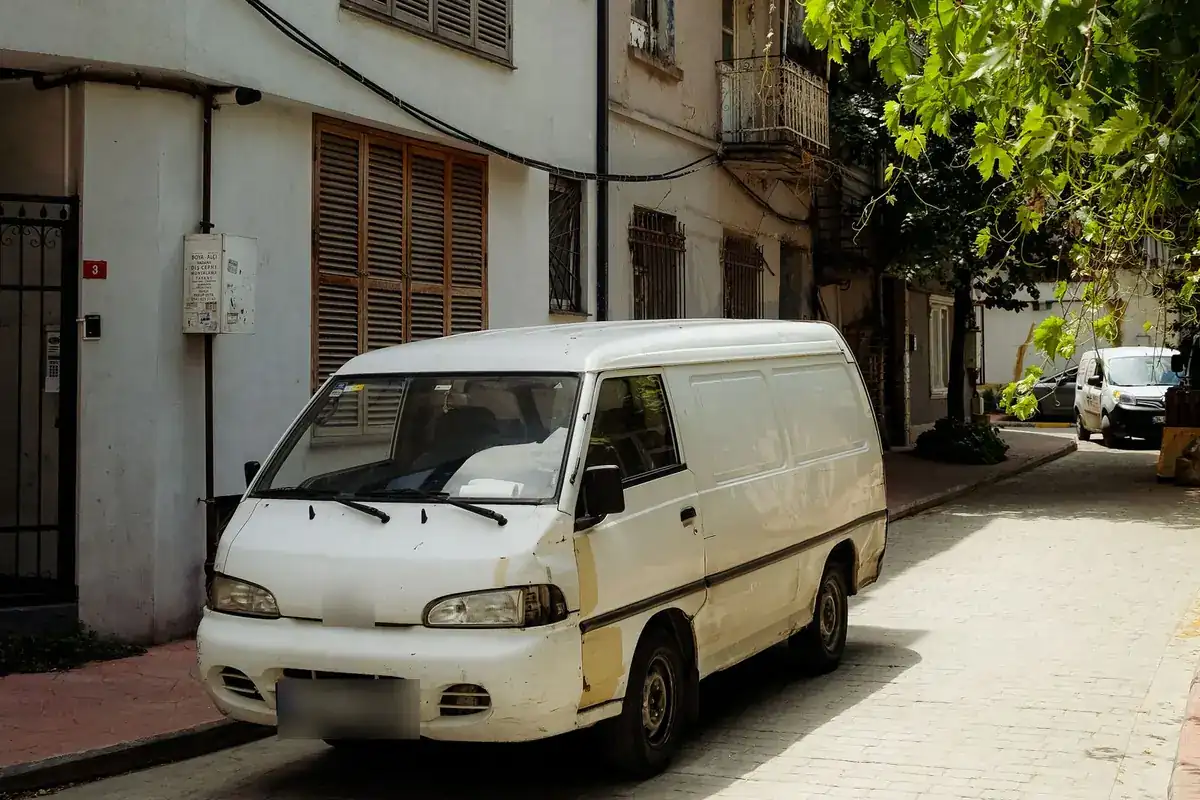
Biohazard removal means taking out the materials that carry germs and then treating what is left so the space is safe again. In Metamora, IL, property owners, landlords, families and businesses can get this work done by calling Metamora Biohazard Cleanup Help.
Teams do the heavy lifting: removing carpet, padding and drywall that cannot be cleaned, bagging regulated waste, disinfecting hard surfaces and treating odor at the source. The service area runs from Metamora to Germantown Hills, Washington and Eureka.
Older adults make up about 14% of residents in Metamora, below the Illinois average, so calls come from a broad mix of situations, including accidents, crime scenes and rental turnovers. Only about 52% of homes in Metamora were built before 1980, so most cleanups involve newer drywall and flooring, though fluids can still soak through to the subfloor.
Safety comes first on every job. You get crews that follow OSHA bloodborne pathogen protocols, wear full protective equipment and seal off the contaminated space, since hepatitis B, hepatitis C and HIV are all risks around untreated blood.
Odor is treated at its source, not covered up. HEPA filtration, hydroxyl generators and ozone treatment work on the air and on the surfaces, and ATP testing can show whether the cleaned area meets the standard before the property is released.
Get residential biohazard cleanup and commercial work in Metamora, with a wide range of services, so one call can sort out a death, a spill, a backup or a hoarded property.
Biohazard cleaning for homes, rentals, businesses and vehicles, with discreet crews and 24/7 emergency response.
Learn more →Crime scene cleaners handle contaminated carpet, drywall and debris, then check the work before handing the space back.
Learn more →Trauma cleaners remove blood, bodily fluids and odor after injuries, violent events and sudden emergencies.
Learn more →Decomposition cleanup that treats the room, the air and the odor at its source.
Learn more →Suicide scene cleanup for homes, apartments and vehicles, handled quietly and with care.
Learn more →Respectful homicide cleaning that removes blood, bodily fluids and odor after investigators release the scene.
Learn more →Blood in cars, vans and rideshare vehicles cleaned from seats, mats and panels, then disinfected.
Learn more →Bodily fluid clean up with protective gear, EPA-registered disinfectants and sealed disposal of contaminated materials.
Learn more →Urine and feces cleanup that removes soaked carpet, mattresses and furniture and sanitizes the affected area.
Learn more →Decomposition odor removal that treats flooring, walls and air after an unattended death.
Learn more →Hoarding cleanup done at the resident's pace, with valuables and papers kept safe.
Learn more →Hoarding junk removal that protects valuables and papers before anything leaves the home.
Learn more →Ammonia odor, urine and feces cleaned from floors, walls and air after animals are removed.
Learn more →Extreme cleaning for unsanitary homes, done with protective gear and without judgment.
Learn more →Category 3 cleanup with protective gear, sealed disposal and EPA-registered disinfectants.
Learn more →Emergency disinfection after contagious illness, with soft items treated or removed and the space checked.
Learn more →Surfaces cleaned, disinfected and checked so a contaminated room or vehicle is safe to use again.
Learn more →Medical waste left behind after illness, a move or a cleanup, removed with protective gear.
Learn more →Safe syringe pickup for places where children, pets or customers could be at risk.
Learn more →Discreet drug residue cleanup for rentals, homes, hotels and businesses, with protective gear throughout.
Learn more →Clear steps for owners who suspect meth contamination, from first sample to final report.
Learn more →Careful fentanyl cleanup that avoids dry sweeping, controls dust and seals contaminated waste.
Learn more →Toxic waste cleanup that identifies the substance, cleans affected surfaces and follows disposal rules.
Learn more →Fuel, solvent and chemical spill cleanup for homes, farms, shops and fleet yards.
Learn more →Tear gas cleanup for homes, shops and vehicles, with testing, containment and a final check.
Learn more →Hantavirus-aware cleanup for cabins, sheds, barns and homes with HEPA-filtered equipment and disinfection.
Learn more →Removal of insulation soaked with guano, plus odor treatment and sanitizing of the structure.
Learn more →Dead animal removal from walls, attics, crawl spaces and vents, with disinfection and odor treatment.
Learn more →Biohazard car cleaning for blood, vomit and body fluids, with disinfection and safe waste disposal.
Learn more →Blood and body fluids removed and disinfected after falls, cuts, crashes and workplace injuries.
Learn more →Commercial cleaning crews disinfect offices, shops, plants and rentals after injuries, deaths and backups.
Learn more →Estate cleanup that empties, cleans and hands back a home ready for its next step.
Learn more →A cleanup specialist asks what happened, who is safe and whether police or an investigator have released the scene. The answers decide how the job is planned.
The crew takes photos and notes of the affected areas and the work done. Homeowners insurance companies, landlords and compensation programs often ask for these records.
Porous materials are removed, surfaces are scrubbed and disinfected, and tools are cleaned between steps so germs are not carried to other rooms.
HEPA scrubbers and odor treatment clean the air. A final walkthrough, and ATP testing where it is useful, shows whether anything was missed.
Cleanup technicians know families may be grieving. They keep conversations short, kind and free of judgment, and they treat belongings with care.
At crime and death scenes, work waits for law enforcement or the investigator to release the property. Nothing is disturbed before that.
Death odor and sewage smell are treated with air scrubbers and hydroxyl or ozone equipment, not masked with sprays that fade.
A cleanup specialist explains the steps, the likely cost range and what the property owner needs to do next, in everyday words.
Biohazard cleanup in Metamora, IL typically costs $500 to $25,000, depending on the type of biohazard, the size of the affected area and how far fluids soaked into porous materials.
Most residential jobs cost $3,000 to $5,000 (Fixr). Costs for hoarding, sewage and drug residue differ from death cleanup because each involves different hazards, testing needs and disposal. A fair estimate always starts with an on-site look.
| Type of job | Typical range |
|---|---|
| Blood spill cleanup, small area | $500 - $2,500 |
| Crime scene cleanup, most homes | $1,500 - $7,500 |
| Unattended death cleanup | $2,000 - $7,000 |
| Suicide cleanup | $1,500 - $5,500 |
| Sewage cleanup, most homes | $2,000 - $10,000 |
| Hoarding cleanup, level 3 home | $2,000 - $5,000 |
| Meth lab cleanup, typical | $15,000 - $20,000 |
Estimates only, not a quote. Sources: Fixr, Yelp Costs, BioCleaners Directory, PushLeads, Dropcurb, Bob Vila and cleanup company cost guides. Call (877) 812-4220 to talk through the job.
With renters in about 14% of homes in Woodford County, landlords and property managers often call about tenant deaths, abandoned units and unsafe conditions that need biohazard cleaning.
About 52% of homes in Metamora were built before 1980, and older carpet, subfloor and trim hold fluids deeper, which can mean more material to remove.
Failing septic systems and sewer backups push raw sewage, a Category 3 biohazard, into homes. Sewage cleanup removes contaminated materials and disinfects every surface.
Cars, trucks and work vehicles can carry biohazards after an accident, assault or medical event. Vehicle cleanup removes contaminated upholstery and disinfects every surface and vent.
Families should never have to clean up after a suicide. Discreet suicide cleanup removes all traces with care and respect. Crisis support is available any time at 988.
Homes, churches and businesses may need infectious disease disinfection, needle and sharps cleanup, or meth lab and fentanyl decontamination after a property is released.
Knowing the basic types and job sizes makes the first phone call easier. Describe what happened and where, and a cleanup specialist can tell you which category the job likely falls into.
Yes. You can expect unmarked vehicles, quiet work and no discussion of the job with neighbors. Family members are not asked to see or handle anything.
Many jobs are priced by the scope of the work rather than as one simple hourly rate. The type of biohazard, the size of the area, the materials removed and waste disposal set the total. Ask the cleanup team how the cost is worked out.
A cleanout of belongings can take from a day to several weeks depending on how much is in the home. If a death left biohazards, the biohazard cleanup comes first, and sorting or hauling follows once the area is safe.
It varies by the germ. Hepatitis B can survive on surfaces for at least seven days, and other pathogens last for different periods. Because nobody can tell by looking, all blood is treated as infectious until it has been properly disinfected.
Call 911 if anyone is in danger. Keep everyone out of the affected area, do not clean anything, and wait for law enforcement to release the scene. Then call your insurance company and a biohazard cleaning company to plan the cleanup.
OSHA's Bloodborne Pathogens Standard, 29 CFR 1910.1030, sets rules for protective equipment, handling, training and disposal when workers face blood or other potentially infectious materials. Biohazard cleanup crews follow it on every job.
The census figure for older adults living alone in Metamora is 43%, above the Illinois average. When someone lives alone, a death can go unnoticed for days, and that leads to unattended death cleanup.
It can. Woodford County has a Relatively Low river flood risk rating from FEMA. Wherever floodwater or a sewer backup enters a home, the water is treated as Category 3 and needs full cleaning and disinfection.
Eureka is the Woodford County seat, and you can get help there along with Metamora, Germantown Hills and Washington. Call Metamora Biohazard Cleanup Help at (877) 812-4220 to ask about a property in any of these towns.
Ask about the steps, the cost range and insurance before anything starts.
Call (877) 812-4220